

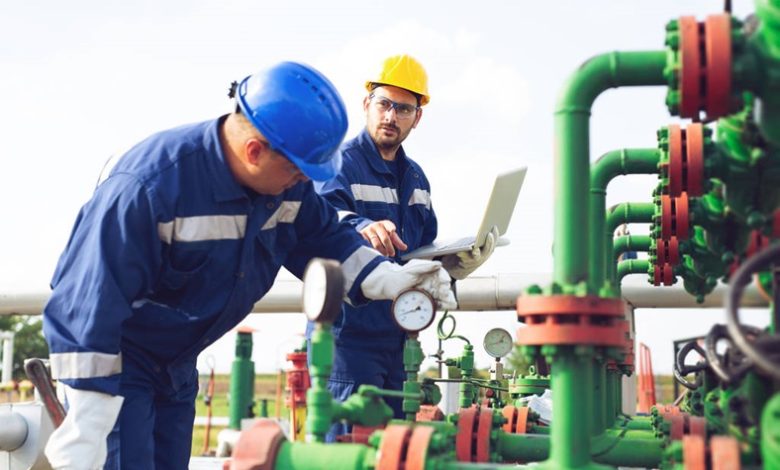
The global demand for natural gas continues to grow as industries and communities seek cleaner, more efficient energy sources. Gas processing plants play a crucial role in meeting this demand by converting raw natural gas into usable products such as methane, LNG, CNG, NGLs, and petrochemical feedstocks. Behind the performance and reliability of these facilities are highly specialized gas plant engineering services—a comprehensive set of technical solutions that support design, construction, optimization, and long-term operation of gas processing infrastructure. These services ensure that plants operate safely, efficiently, and profitably in an increasingly complex energy landscape.
The Importance of Gas Plant Engineering
Gas plants are complicated structures that incorporate mechanical, electrical, chemical and controlling systems. The engineering requirements are high-pressure pipelines, as well as sensitive cryogenic equipment. The result of any fault in the design or functioning can be the wastage of energy, destruction of equipment, or severe safety hazards. Engineering services enable the operators to overcome these issues by advanced planning, analysis, and constant monitoring of the performance.
Good engineering of gas plants also facilitates the compliance of regulations, and reduction of emissions, protection of environment, and saving of operational costs. Due to the mounting demands of sustainability and efficiency, the engineering knowledge has become a key element in the contemporary gas processing processes. Read this for reference.
Core Services Offered by Gas Plant Engineering Firms
A vast array of services unique to the lifecycle of a gas plant are offered by professional engineering firms, including concept, through commission, and to-continued operation.
- Front-End Engineering and Design (FEED)
FEED is a very vital initial stage of gas plant development. Engineers conduct feasibility studies, simulate processes, size equipment, estimate costs as well as conduct risk analysis. This makes sure that the project is feasible technically and economically before they make in-significant investments.
- Detailed Plant Design
This includes the development of accurate engineering drawings, piping and instrumentation diagrams (P&IDs), process flow diagrams (PFDs) and 3D models. Specifications of equipment like compressors, separators, heat exchangers and flare systems are formulated by engineers. This is aimed at having a plant that is functioning under the real operating conditions reliably and safely.
- Process Engineering and Optimization
Process engineers are important in enhancing the quality of products, yield, and energy efficiency. They study the performance of plants, work out the solutions to decrease bottlenecks, and suggest improvements or changes of operations. Optimization of the processes will play an important role in minimizing energy usage and maximizing profits.
- Mechanical, Electrical, and Civil Engineering Support
The design of gas plants needs multidisciplinary skills:
- In mechanical engineering, proper design of rotating equipment, pressure vessels and structural supports is done.
- Electrical engineering is about power distribution, MCCs, switchgear, and grounding system.
- Civil engineering deals with foundations, site planning, structural steel and the preparation of infrastructure.
- Control and Automation Engineering
The modern gas plants are highly dependent on automation to ensure safety and precision. Control systems, SCADA interfaces, instrumentation layouts and alarms are designed by engineers. By programming and integrating control systems, human error is reduced and there is an increase in consistency in daily operations.
- Safety and Environmental Engineering
Gas plants operate under strict safety and environmental regulations. Engineering services support:
- Hazard and operability studies (HAZOP)
- Fire and gas detection systems
- Emergency shutdown (ESD) systems
- Air emissions control
- Noise reduction
- Waste management and environmental reporting
These services protect workers, communities, and surrounding ecosystems.
- Construction Management and Field Engineering
The engineering firms offer on-site supervision of the construction to ascertain that work is carried out as per design. This includes:
- Contractor supervision
- Quality assurance/quality control (QA/QC)
- Material verification
- Welding inspection
- Mechanical integrity checks
Skilled field engineers help prevent costly errors and ensure equipment is installed correctly.
- Commissioning and Startup Services
Commissioning teams perform equipment testing, instrument calibration, safety test and system validation test. An efficient startup will minimize downtime and make the plant operational as per the expectations.
- Maintenance and Reliability Engineering
After a plant has been put up, engineering services are still needed. The reliability engineers keep track of equipment performance, streamline the preventive maintenance plans, carry out root-cause investigations and suggest refurbishment or replacement plans. The predictive technologies (vibration monitoring, thermal imaging and oil analysis) can be used to detect issues prior to the problem emerging.
Benefits of Professional Gas Plant Engineering Services
The collaboration with well-established gas plant engineering services provides a lot of benefits:
- Improved safety and regulatory compliance
- Higher plant efficiency and reduced operating costs
- Extended equipment lifespan and fewer breakdowns
- Enhanced production quality and consistency
- Reduced environmental impact
- Better decision-making through accurate data and analysis
With millions of dollars in downtime expenses to consider, the professional engineering support becomes a necessity, rather than an option, in an industry.
Conclusion
Gas plant engineering services form the backbone of safe, efficient, and profitable natural gas processing. From early-stage design to long-term reliability management, these services help operators navigate technical challenges, reduce risks, and maximize performance. As global energy demand continues to shift toward cleaner fuels, professional engineering expertise will remain vital in ensuring that gas plants operate at the highest standards of safety, sustainability, and efficiency.