

How 5G Is Transforming Mobile Experiences Around the Globe
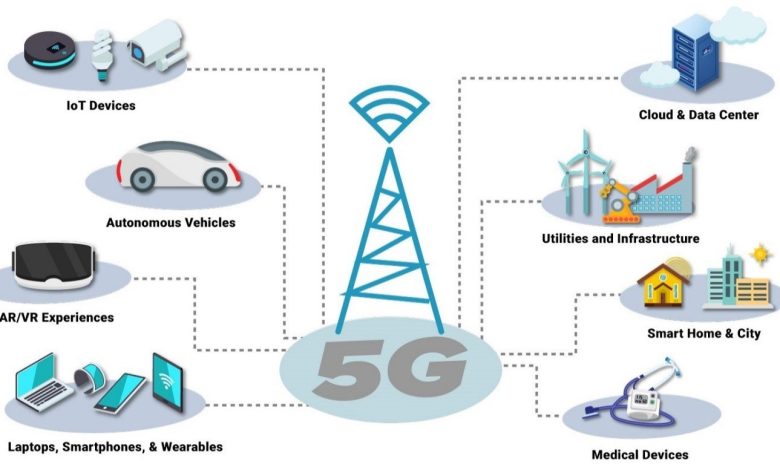
The rollout of 5G networks marks one of the most significant technological shifts in modern connectivity. Designed to deliver ultra-fast speeds, near-instant responsiveness, and massive device support, 5G is redefining what mobile devices can achieve. Its global adoption is accelerating digital innovation, reshaping industries, and elevating everyday mobile interactions for billions of users.
What Makes 5G Different?
5G isn’t just an upgraded version of 4G—it introduces fundamental improvements in how data moves across networks.
Enhanced Speed and Capacity
5G provides dramatically faster data rates, enabling users to download high-resolution content in seconds. Its increased bandwidth allows networks to handle more simultaneous connections without delays.
Ultra-Low Latency
One of 5G’s standout features is its extremely low latency, reducing response times to milliseconds. This unlocks real-time mobile applications that were previously impossible on older networks.
Support for Massive IoT
5G is designed to connect vast numbers of devices efficiently. From wearables to smart home systems, it enables large-scale IoT ecosystems with improved reliability.
Global Impact on Mobile Experiences
Across continents, 5G is reshaping how people interact with technology. Its influence spans entertainment, communication, business, and public services.
Revolutionizing Mobile Entertainment
Faster speeds mean smoother streaming, cloud gaming without lag, and immersive AR/VR experiences. Viewers can access 4K and even 8K content seamlessly while gamers enjoy real-time multiplayer performance.
Enhancing Communication
Video calls now feel more natural thanks to higher quality and reduced delays. 5G also powers next-generation messaging apps with advanced features such as live translation and interactive sharing.
Transforming Travel and Navigation
5G enables precise location tracking and real-time traffic updates. Mobile apps can deliver advanced navigation, instant rerouting, and enhanced safety alerts.
Industry Innovations Driven by 5G
As businesses adopt 5G infrastructure, industries worldwide are unlocking new capabilities.
Healthcare Advancements
-
Remote patient monitoring becomes more reliable.
-
Telemedicine improves with higher-quality video and real-time diagnostics.
-
Connected medical devices provide instant data to healthcare professionals.
Retail and E-Commerce
Retailers leverage 5G to offer:
-
AR product previews
-
Real-time inventory management
-
Personalized mobile shopping experiences
Smart Cities and Infrastructure
5G supports smart grids, intelligent transport systems, and public safety solutions. Cities can manage resources more effectively while improving citizen services.
Manufacturing and Automation
Factories benefit from:
-
Connected robotics
-
Predictive maintenance
-
Autonomous operations enabled through low-latency networks
The Future of Mobile Experiences with 5G
As coverage expands and network capabilities evolve, new applications will continue to emerge.
More Immersive Augmented Reality
Mobile AR will go beyond entertainment, becoming a part of education, navigation, and workplace training.
Growth of Autonomous Technologies
Vehicles, drones, and smart machines will rely on 5G for real-time decision-making and safer operations.
Expansion of Cloud-Based Mobile Apps
With faster connectivity, more apps will shift processing to the cloud, making mobile devices lighter, faster, and more efficient.
FAQs
1. How fast is 5G compared to 4G?
5G can be several times faster than 4G, often reaching speeds that support instant downloads and high-quality streaming.
2. Does 5G improve mobile gaming?
Yes. Its low latency and high bandwidth significantly reduce lag, enhancing real-time multiplayer experiences.
3. Can 5G help improve smart home performance?
Absolutely. 5G supports more connected devices and provides better stability for smart homes.
4. Is 5G available globally?
Many countries have already deployed 5G, and expansion continues rapidly across urban and rural regions.
5. What devices support 5G technology?
Modern smartphones, tablets, wearables, and IoT devices increasingly include 5G capability.
6. Is 5G necessary for augmented reality applications?
While AR can work on 4G, 5G offers the speed and responsiveness needed for advanced, real-time AR experiences.
7. Will 5G replace Wi-Fi?
Not entirely. While 5G is powerful, Wi-Fi will continue to complement mobile networks, especially indoors and in high-density areas.