

For decades, automotive care followed a predictable, reactive rhythm. Drivers waited for a dashboard warning light to illuminate, a strange grinding noise to occur, or an outright breakdown before visiting a mechanic. Even preventative maintenance, such as changing engine oil every few thousand miles or replacing brake pads at specific intervals, has long relied on rigid schedules rather than the actual condition of the vehicle.
This traditional model is undergoing a massive shift. The integration of advanced telematics, the Internet of Things, cloud computing, and machine learning has introduced a new era: predictive maintenance. Instead of guessing when a part might fail or waiting for damage to occur, modern vehicles can now forecast their own service needs. This shift is fundamentally rewriting the relationship between drivers, their vehicles, and the automotive repair industry.
The Evolution of Vehicle Diagnostics
To understand the impact of predictive maintenance, it helps to examine how vehicle diagnostics evolved. In the late twentieth century, the introduction of On-Board Diagnostics II became the industry standard. This system monitors basic vehicle functions and triggers a check engine light when a parameter falls outside acceptable limits.
While revolutionary at the time, traditional diagnostics are inherently reactive. A fault code only generates after a component has already begun to malfunction. Furthermore, these codes offer limited context, often requiring a technician to spend hours isolating the root cause of the issue.
Predictive maintenance transforms this process by shifting the focus from detection to anticipation. By continuously analyzing data from hundreds of sensors embedded throughout the vehicle, predictive systems identify subtle anomalies that human drivers and standard diagnostic systems miss.
The Core Technology Driving Predictive Analytics
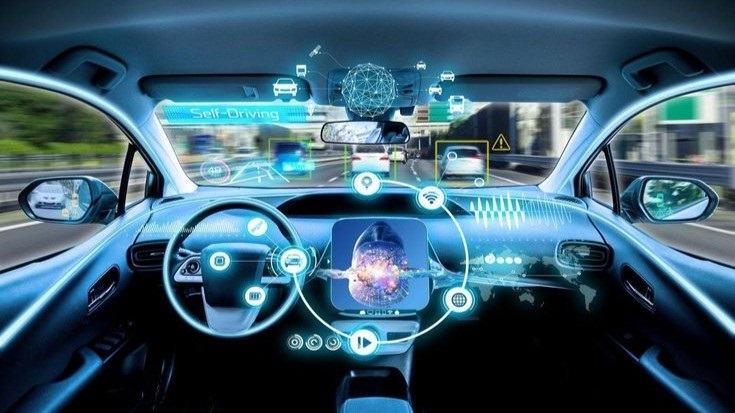
Predictive maintenance relies on an ecosystem of hardware and software working in unison. Modern vehicles are essentially mobile data centers, generating vast amounts of information every second they operate.
Sensor Networks and Data Collection
Today’s automobiles are equipped with specialized sensors that monitor everything from tire pressure and brake pad thickness to engine temperature, fluid viscosity, and exhaust emissions. These sensors capture high-resolution operational data in real time.
Telematics and Edge Computing
Once collected, this data must be processed. Edge computing allows the vehicle’s onboard computers to analyze critical data locally for immediate threats. Meanwhile, telematics systems transmit broader datasets wirelessly to cloud-based servers via cellular networks.
Machine Learning and Predictive Models
In the cloud, advanced machine learning algorithms analyze the incoming data. These algorithms compare the real-time performance of a specific vehicle against historical datasets compiled from millions of miles driven by similar models. By recognizing complex patterns, the software can predict when a specific component is likely to degrade or fail.
Key Benefits for Everyday Drivers
The transition to predictive automotive care offers direct, tangible advantages for vehicle owners, enhancing both the financial and operational aspects of car ownership.
-
Elimination of Sudden Breakdowns: By identifying component degradation weeks or months before a failure occurs, predictive maintenance prevents drivers from getting stranded on the highway.
-
Significant Cost Savings: Replacing a worn bearing or fixing a minor fluid leak early is far less expensive than replacing an entire transmission or engine block after a catastrophic failure.
-
Extended Vehicle Lifespan: Operating a vehicle with components that are always performing at optimal levels reduces cumulative wear and tear, preserving the long-term health of the automobile.
-
Optimized Resale Value: A comprehensive, digitally verified record of predictive maintenance proves to future buyers that the vehicle was meticulously cared for based on actual data, boosting its market value.
Transforming Fleet Management and Commercial Operations
While individual consumers stand to gain immensely, the commercial transport sector is experiencing an even faster rate of adoption. For logistics companies, delivery services, and corporate fleets, vehicle downtime translates directly into lost revenue.
Predictive maintenance allows fleet managers to transition away from arbitrary mileage-based servicing. Instead of pulling a delivery van out of service every 5,000 miles, the system determines the exact health of the oil, tires, and brakes. If a truck requires a new alternator, the system flags the issue and allows managers to schedule the repair during a planned rest period. This ensures maximum vehicle availability, reduces labor costs, and keeps supply chains moving without interruption.
The Impact on Mechanics and the Repair Industry
The rise of predictive maintenance is also redefining the business models of independent repair shops and dealership service centers. The image of the mechanic covered in grease, relying solely on intuition and physical tools, is giving way to a new reality: the automotive technician as a data analyst.
Proactive Customer Outreach
Rather than waiting for a customer to call with an emergency, service centers utilizing predictive data can contact the vehicle owner proactively. A service advisor can call a customer to state that cloud diagnostics indicate their water pump will likely fail within the next 400 miles, allowing them to book an appointment at their convenience.
Streamlined Parts Inventory
Inventory management has historically been a guessing game for repair shops. Predictive analytics allows service centers to anticipate which parts will be needed in the coming days based on the incoming data from their local customer base. This reduces the capital tied up in sitting inventory and eliminates delays caused by waiting for parts to ship.
Faster Turnaround Times
Because the vehicle transmits detailed diagnostic data before it even arrives at the shop, technicians know exactly what tools and components are required for the fix. This reduces diagnostic time to near zero, allowing shops to service more vehicles per day.
Overcoming Implementation Challenges
Despite the clear advantages, the widespread adoption of predictive maintenance faces several technical and regulatory hurdles that the industry must address.
Data privacy remains a primary concern. Vehicles collect sensitive information, including location data, driving habits, and daily routes. Manufacturers and service providers must establish robust cybersecurity frameworks to protect this data from unauthorized access and ensure consumer trust.
Standardization presents another obstacle. Different automakers utilize proprietary software architectures and data protocols. For predictive maintenance to work seamlessly across the entire automotive ecosystem, there must be a push toward open data standards that allow independent repair shops equal access to vehicle telemetry.
The Future of Smart Automotive Care
As autonomous vehicle technology advances, predictive maintenance will become an absolute necessity rather than an optional feature. Self-driving cars operating in ride-hailing networks will need to monitor their own health, drive themselves to service centers for automated repairs, and return to service without any human intervention.
Furthermore, as electric vehicles continue to capture market share, the focus of predictive maintenance will pivot. While electric cars have fewer moving parts than internal combustion engines, predicting the degradation of battery packs, thermal management systems, and high-voltage power electronics will be vital to ensuring vehicle longevity.
Frequently Asked Questions
How does predictive maintenance differ from preventative maintenance?
Preventative maintenance relies on fixed schedules determined by time or mileage, such as changing oil every six months regardless of how the car was driven. Predictive maintenance uses real-time sensor data and machine learning to assess the actual condition of vehicle components, triggering service only when the data indicates a component is approaching failure.
Do I need a brand new car to utilize predictive maintenance features?
While newer vehicles come equipped with integrated predictive systems from the factory, older vehicles can access similar benefits through aftermarket telematics devices. These devices plug into the standard diagnostic port of the vehicle and transmit data to smartphone applications or third-party monitoring services.
Can predictive maintenance detect issues with electric vehicle batteries?
Yes. Predictive analytics are highly effective at monitoring electric vehicle battery packs. By analyzing voltage fluctuations, temperature changes, and charging cycles, the software can accurately forecast battery degradation, identify failing individual cells, and optimize thermal management strategies to prolong battery life.
Will predictive maintenance invalidate my vehicle factory warranty?
No. Using predictive tools to monitor your vehicle does not invalidate a factory warranty. In fact, addressing minor issues early through predictive insights helps ensure you comply with the manufacturer requirement to maintain the vehicle in safe, working condition.
How does a vehicle transmit data to predictive systems without a Wi-Fi connection?
Modern vehicles utilize built-in cellular telematics modules, similar to the technology found in smartphones. They connect to commercial cellular networks to transmit data to cloud servers in real time while the vehicle is being driven, switching to local Wi-Fi networks when parked if available.
Does predictive maintenance eliminate the need for regular vehicle inspections?
While it drastically reduces the necessity of frequent physical teardowns, it does not completely eliminate the need for occasional manual inspections. Physical components like wiper blades, structural rust, or minor cosmetic damage are still best evaluated by human eyes during routine service visits.

