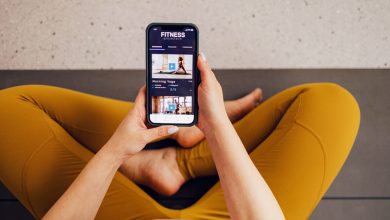


Technology has changed how people choose wellness services. Before visiting a studio, users now compare schedules, read descriptions, check location, view reviews, and book online. This digital behavior has made yoga classes Singapore more discoverable for people who want convenience, clarity, and confidence before attending.
The wellness journey often begins on a phone. A person may search during a commute, after work, or while planning the week. This means the online experience is no longer separate from the studio experience. It is the first step in the customer journey.
Why Digital Discovery Matters
People do not want vague wellness information. They want to know what class is available, what it involves, who it is suitable for, how to book, and where the studio is located.
Digital discovery helps users compare options quickly. A clear website or booking platform can reduce hesitation. Poor information can cause users to leave before they ever try a class.
For wellness businesses, online clarity is now part of trust.
Search Intent Is More Specific
Modern users search with specific goals. Some want stress relief. Some want flexibility. Some want hot yoga, aerial yoga, Pilates, recovery, posture support, or beginner-friendly classes.
This means class pages need to communicate clearly. A user should be able to understand whether a class matches their needs without guessing.
Clear class descriptions can also reduce mismatched expectations. When students know what to expect, they are more likely to attend the right class and return.
Booking Convenience Affects Attendance
A complicated booking process can reduce attendance. Busy users may not want to call, wait for replies, or search through unclear schedules. Online booking makes the process simpler.
When users can view availability and reserve a spot quickly, they are more likely to commit. Booking also turns interest into action. The class becomes part of the schedule.
For people balancing work, travel, and personal responsibilities, this convenience matters.
Mobile Experience Is Essential
Many wellness searches happen on mobile devices. Users may browse during short breaks or while moving between tasks. If a site is slow, cluttered, or hard to navigate on mobile, users may give up.
A strong mobile experience should make schedules, class details, location, and booking easy to access. This is especially important in a city where people expect fast digital interactions.
Wellness may happen offline, but the decision to attend often happens online.
Reviews and Social Proof
Yoga is personal. New students may worry about class difficulty, teacher style, cleanliness, atmosphere, or whether they will feel comfortable. Reviews and social proof help reduce uncertainty.
Photos, testimonials, teacher information, and clear policies can all support trust. Users want to know that the studio is professional and welcoming.
In digital wellness discovery, trust signals are not extra details. They influence conversion.
Data and Personalization
As digital platforms improve, users may expect more personalized wellness recommendations. They may want to filter by class type, time, intensity, location, teacher, or goal.
This creates opportunities for wellness brands to guide users better. Instead of presenting all classes equally, digital tools can help users find what fits their body and schedule.
Personalization can make wellness less overwhelming, especially for new students.
The Role of Content in Class Discovery
Content helps answer questions before booking. Articles, FAQs, class guides, preparation tips, and wellness explainers can help users feel informed.
For example, someone who has never tried hot yoga may want to know what to wear, when to eat, and how to hydrate. Someone interested in aerial yoga may want to understand safety and clothing. Someone choosing a slow class may want to know whether it supports recovery.
Useful content turns search traffic into informed students.
Technology Should Support, Not Replace, Human Guidance
Digital tools can make discovery and booking easier, but yoga still depends on human teaching. Technology can help students choose the right class, but the quality of instruction happens in the room.
The best wellness experience connects both. Clear online information gets the student to the right class. Good teaching keeps them coming back.
The Future of Wellness Booking
The future of wellness may include better scheduling tools, smarter recommendations, easier package management, and more personalized class discovery. Users will likely expect transparency and convenience as standard.
Studios that combine digital clarity with strong in-person teaching will have an advantage.
For people comparing class options in Singapore, Yoga Edition is part of a wellness market where online discovery, booking convenience, and class variety play an important role in how students choose their practice.
FAQs
What should I check online before booking a yoga class?
Check cancellation rules, whether mats are provided, class duration, room type, and arrival instructions. These small details can prevent confusion on your first visit.
Why do class descriptions sometimes feel unclear online?
Some studios use broad terms like “flow” or “all levels” without explaining pace or intensity. If unsure, choose a class with detailed notes or contact the studio before booking.
Is it better to book through a website or a third-party app?
The studio website may show the most accurate class details and policies. Third-party apps can be convenient for comparison, but always check rules because cancellation terms may differ.